Ralph Cleveland DuBrueler
Ray's father. Family history and the Ancestry export preserve the story that he was adopted by the Larrick family.
A life built through family, hard work, service, perseverance, and the relationships he carried with him for nearly a century.
Explore his story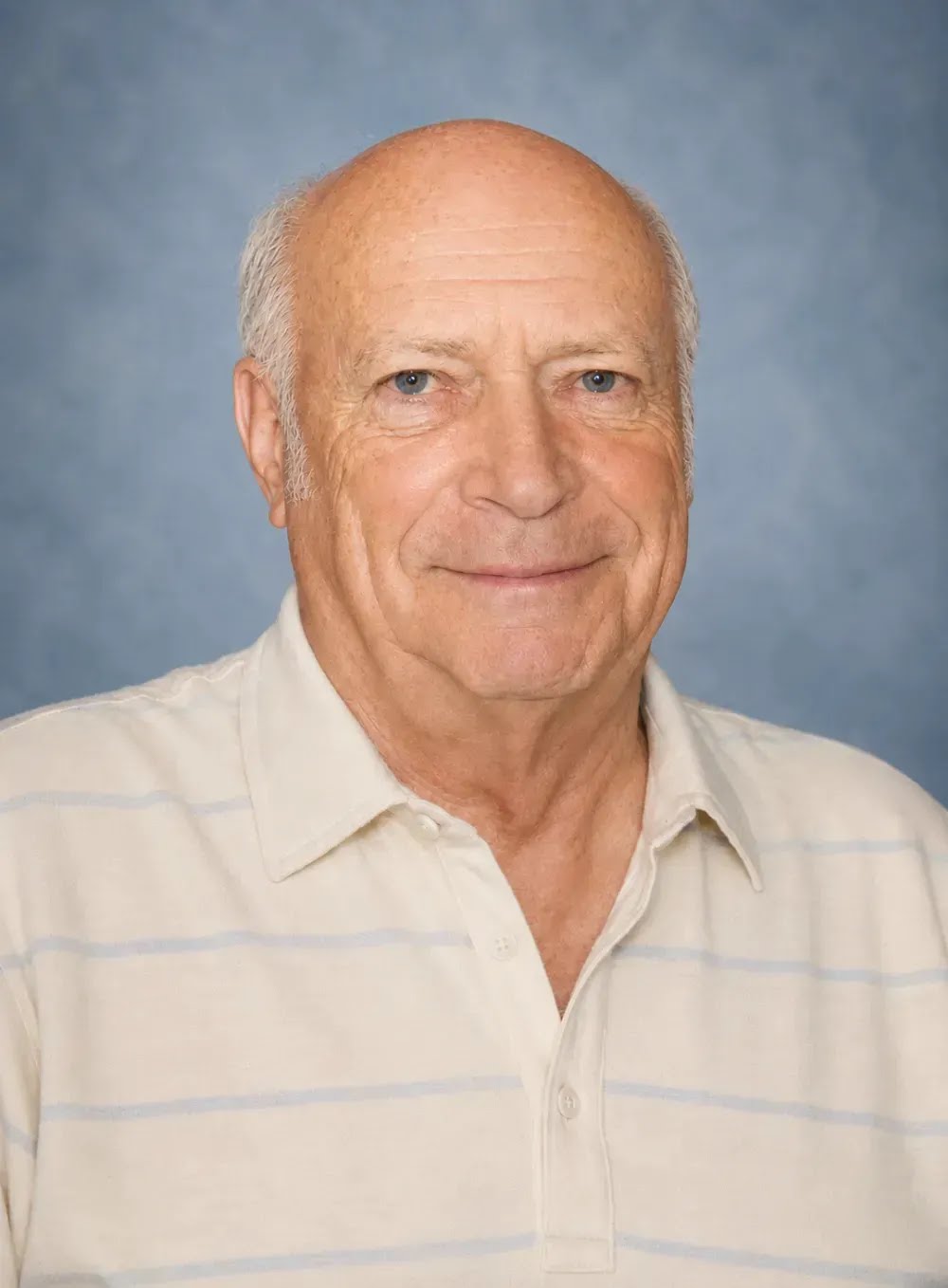
Ray DuBrueler grew up in Middletown, Virginia, in the Shenandoah Valley. He lived and worked on the Larrick family farm, a connection that began a generation earlier when his father was adopted by the Larrick family. Ray also worked at Belle Grove across Route 11, then the main north-south road through the Valley.
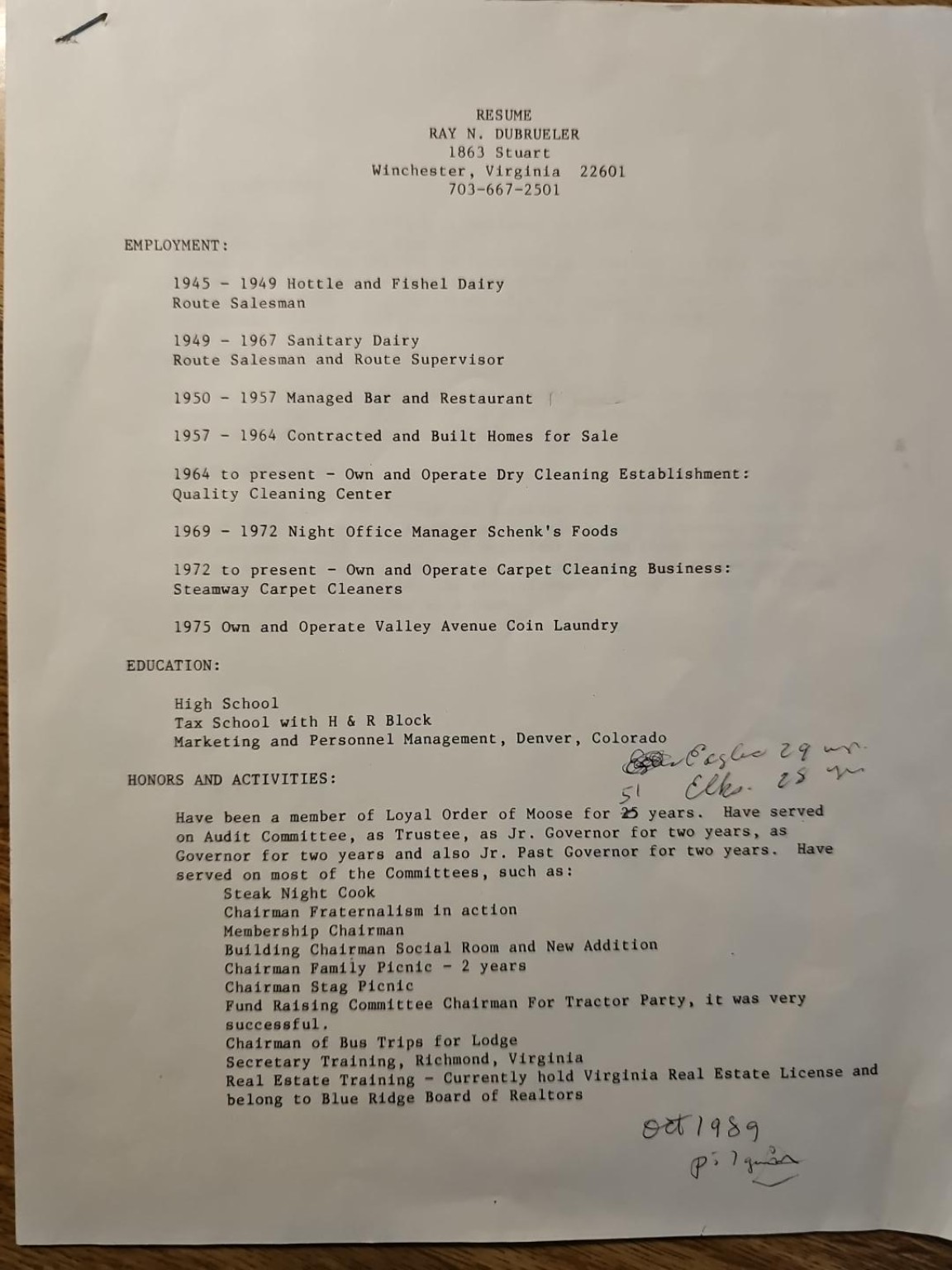
He left school after the 11th grade and never graduated, but his education continued through work, responsibility, practical training, business ownership, and decades of dealing with people. His life would include dairy routes, restaurant management, homebuilding, dry cleaning, carpet cleaning, laundry, real estate, and community leadership.
His family remembers a man who showed his love by showing up: taking care of people, providing stability, making time, and doing what needed to be done. He embraced Madeline's four children as his own, and his example carried into the lives of children, grandchildren, employees, customers and friends.
Ray did not need a spotlight to make a difference. He was known for practical generosity, long relationships, quiet confidence and a willingness to help without making an announcement about it.
Before Ray built a life in Winchester, his story was tied to a farm, a family connection through adoption, and the agricultural landscape of the Shenandoah Valley.
Ray's father. Family history and the Ancestry export preserve the story that he was adopted by the Larrick family.
Ray lived and worked on the Larrick family farm in Middletown and also worked at nearby Belle Grove across Route 11.
1930–2026. A life that grew from the Valley's farms into a lasting story of family, work, business and community.
The complete private family tree is not published here. This memorial preserves the family relationships and historical details relevant to Ray's story while keeping living relatives' information private.
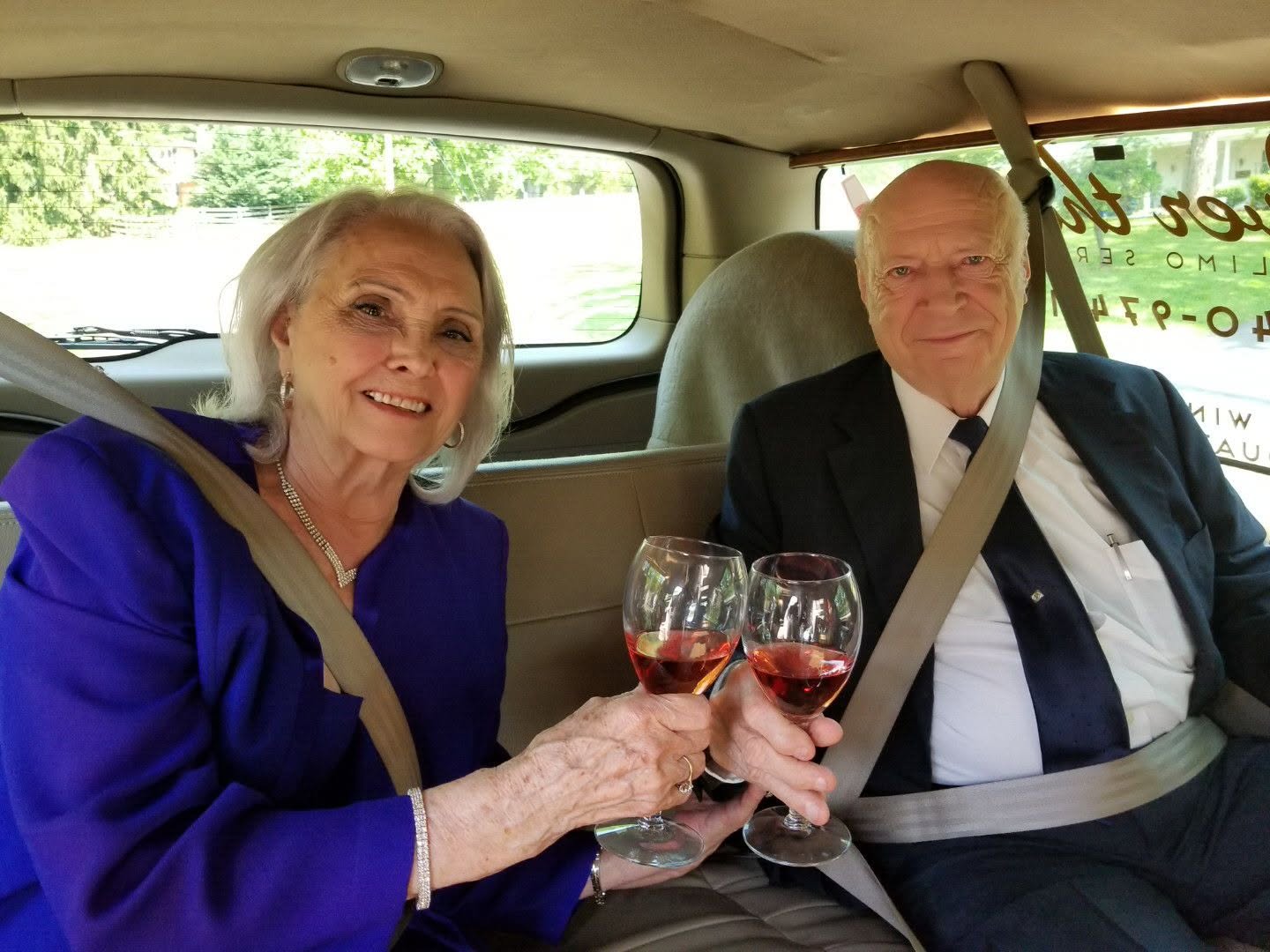
Ray and Madeline's 50th wedding anniversary, April 30, 2017.
Ray and Madeline built a partnership centered on family, commitment, and caring for the people around them. In 2017, they celebrated 50 years of marriage with family and friends in Winchester.
Madeline left school after the 8th grade and never graduated. Like Ray, her life was shaped by practical experience, persistence, and family responsibility rather than formal credentials. Together they built a family and a life that endured through decades of change.
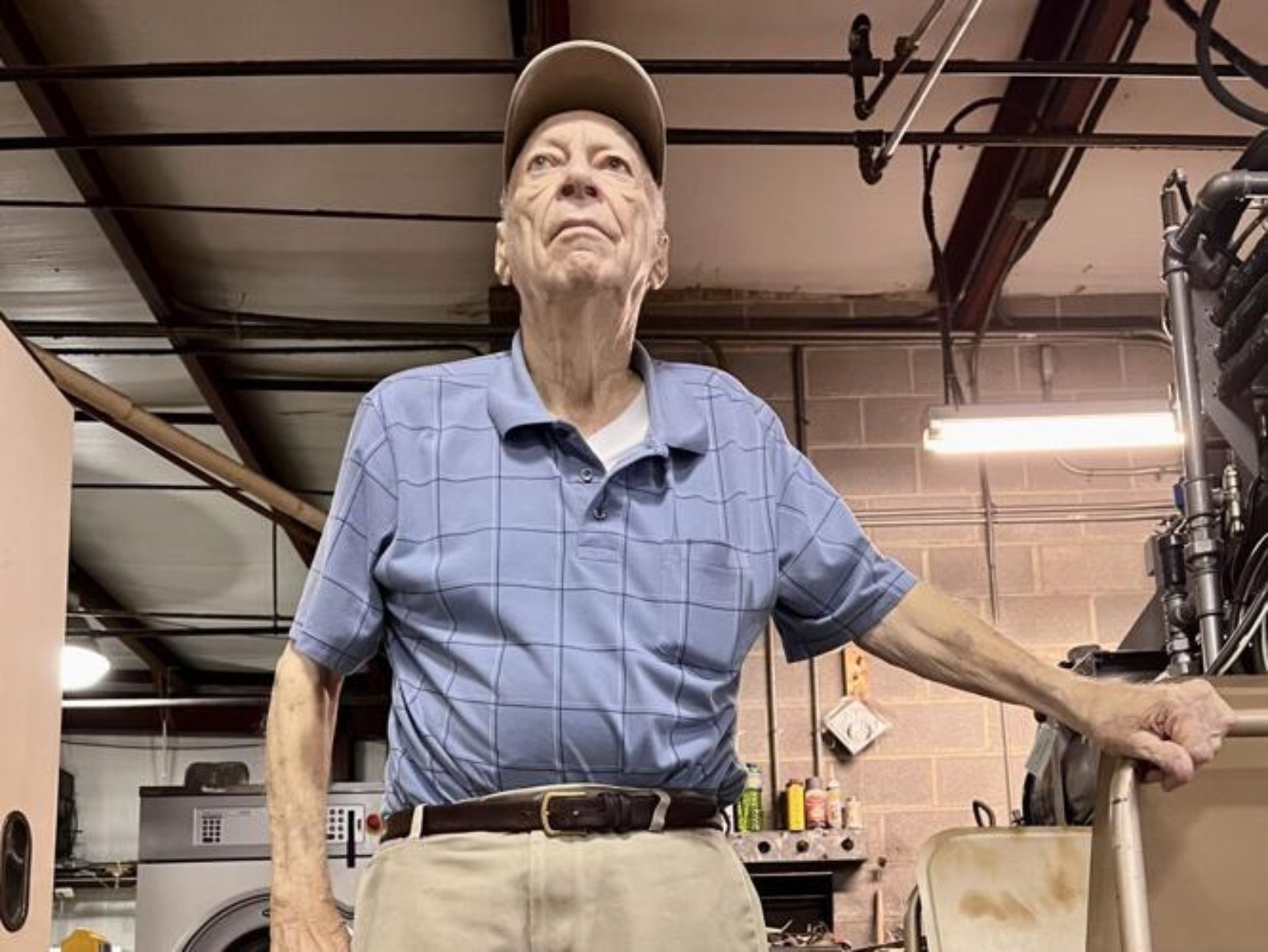
Ray at work — a familiar place throughout his life.
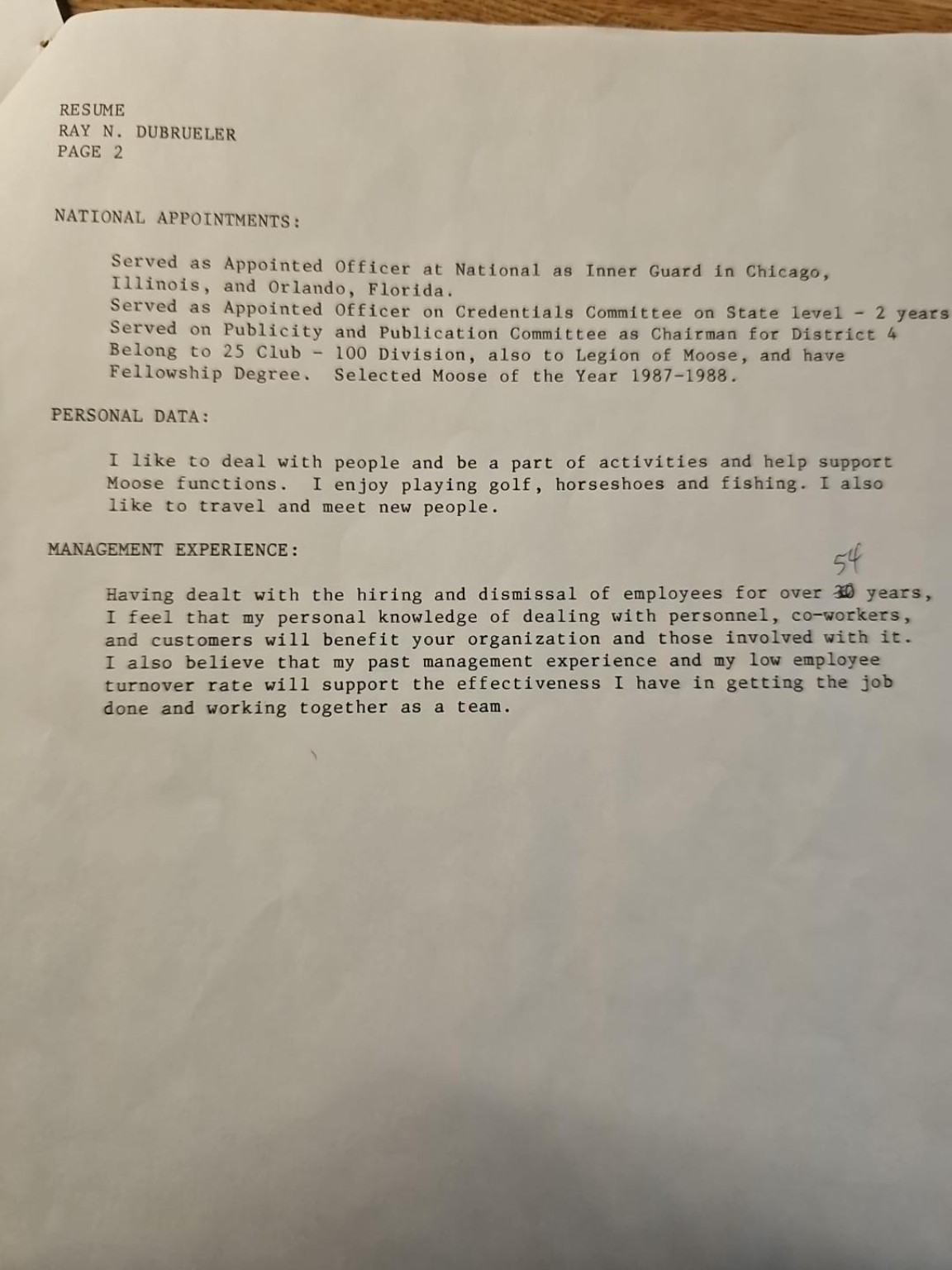
His resume also records tax-school training with H & R Block, marketing and personnel-management training in Denver, secretary training in Richmond, and a Virginia real estate license with membership in the Blue Ridge Board of Realtors.
Ray served as an audit committee member, trustee, Junior Governor, Governor, Junior Past Governor, and on numerous committees involving membership, fundraising, activities, building projects, picnics and lodge events.
He served as an appointed officer at national Moose functions in Chicago and Orlando, on a state-level credentials committee, and chaired publicity and publication work for District 4.
Ray belonged to the 25 Club, the 100 Division and the Legion of Moose, held the Fellowship Degree, and was selected Moose of the Year for 1987–1988.
He wrote about years of hiring and managing employees, his low turnover rate, and his belief in getting the job done by working together as a team. That matched what his later life showed: employees stayed, customers returned, and relationships often lasted for decades.
These pages helped fill in the working and civic chapters of Ray's life and are preserved here as part of the family archive.
When Ray was born, America was in the Great Depression. During his life, families went from gathering around a radio to carrying the world in a pocket. This section places Ray's own milestones alongside some of the changes that framed his 95 years.
Historical context is included to help future generations understand the world Ray lived through. It does not imply that he personally experienced every event or owned every technology shown.
In 1940, nearly half of U.S. homes lacked complete plumbing. By 1950 it was about one-third, by 1960 about one-sixth, and by 1990 only about 1 percent. For a rural Shenandoah Valley child born in 1930, the spread of indoor plumbing, central heating, appliances, television, air conditioning, computers, and the internet represented a profound transformation in everyday life.
Source context: U.S. Census Bureau historical housing tables. These are national figures, not a description of Ray's specific childhood home.
Historic Census figures help show the scale of economic change. Median owner-occupied home values rose from $2,938 in 1940 to $7,354 in 1950, $11,900 in 1960, $17,000 in 1970, $47,200 in 1980, $79,100 in 1990 and $119,600 in 2000 — all in the dollars of their own year. Ray lived through those changes not only as a homeowner, but also as someone who contracted and built homes for sale.
Historical dollars; national Census series. These figures are intended as snapshots, not a like-for-like measure of investment return.
Ray's lifetime spanned the transition from comparatively simple automobiles and many unpaved rural roads to interstate highways, fuel injection, airbags, navigation, cameras, hybrids and advanced driver-assistance systems. The automobile changed from a mechanical machine a driver often needed to understand intimately into a highly computerized part of daily life.
Ray's early years were shaped by agricultural life. A traditional country household of the era could depend on a garden, livestock, canning, wood or coal heat, a well or hand pump, clotheslines, and a great deal of manual labor. Those examples are regional context rather than a claim that every feature was present in Ray's own home. What is certain is that he lived and worked on the Larrick family farm and also worked at Belle Grove, experiences that helped shape the work ethic he carried throughout his life.
Ray was born in 1930 as the Great Depression reshaped American life. Radio, newspapers and word of mouth carried the day's news, and rural families depended heavily on work, family and community.
The United States entered World War II in 1941. During these years Ray was growing up around the farms of Middletown and began working young, later taking dairy route work.
Television and automobile ownership expanded, and the postwar building boom changed communities. Ray was working dairy routes, managing a bar and restaurant, and beginning to contract and build homes.
Ray opened Quality Cleaning Center on July 4, 1964. Ray and Madeline married in 1967. In 1969, people around the world watched humans walk on the Moon.
Energy crises, inflation, calculators and early personal computing changed American life. Ray began Steamway Carpet Cleaners in 1972 and added Valley Avenue Coin Laundry in 1975.
Home computers and cable television spread. Ray's community involvement deepened, and he was selected Moose of the Year for 1987–1988.
The World Wide Web moved into everyday life. Ray had already been running Quality Cleaning Center for more than a quarter-century before websites or online reviews became part of business.
The decade brought the September 11 attacks, rapid growth of the internet, the iPhone in 2007 and a global financial crisis. Ray's working life now stretched from the era of milk routes to digital communication.
Smartphones and video calls made sharing pictures almost instant. In 2017, Ray and Madeline celebrated 50 years of marriage surrounded by family and friends.
The COVID-19 pandemic disrupted life worldwide. Quality Cleaning Center marked its 60th year in 2024, and Ray continued coming to work into his nineties. In 2026, the family began preserving nearly a century of memories in this website.
Historical sources include the U.S. Census Bureau's historical housing tables, federal historical archives, NASA, and family records. Specific grocery and automobile price claims were intentionally omitted where a consistent national series was not established for the full period.
Three family home movies are preserved here in full. The chapter buttons help visitors jump to representative moments without cutting or rearranging the original recordings.
Browse the indexed family collection — older scans, celebrations, holidays, family gatherings, business memories and later years.
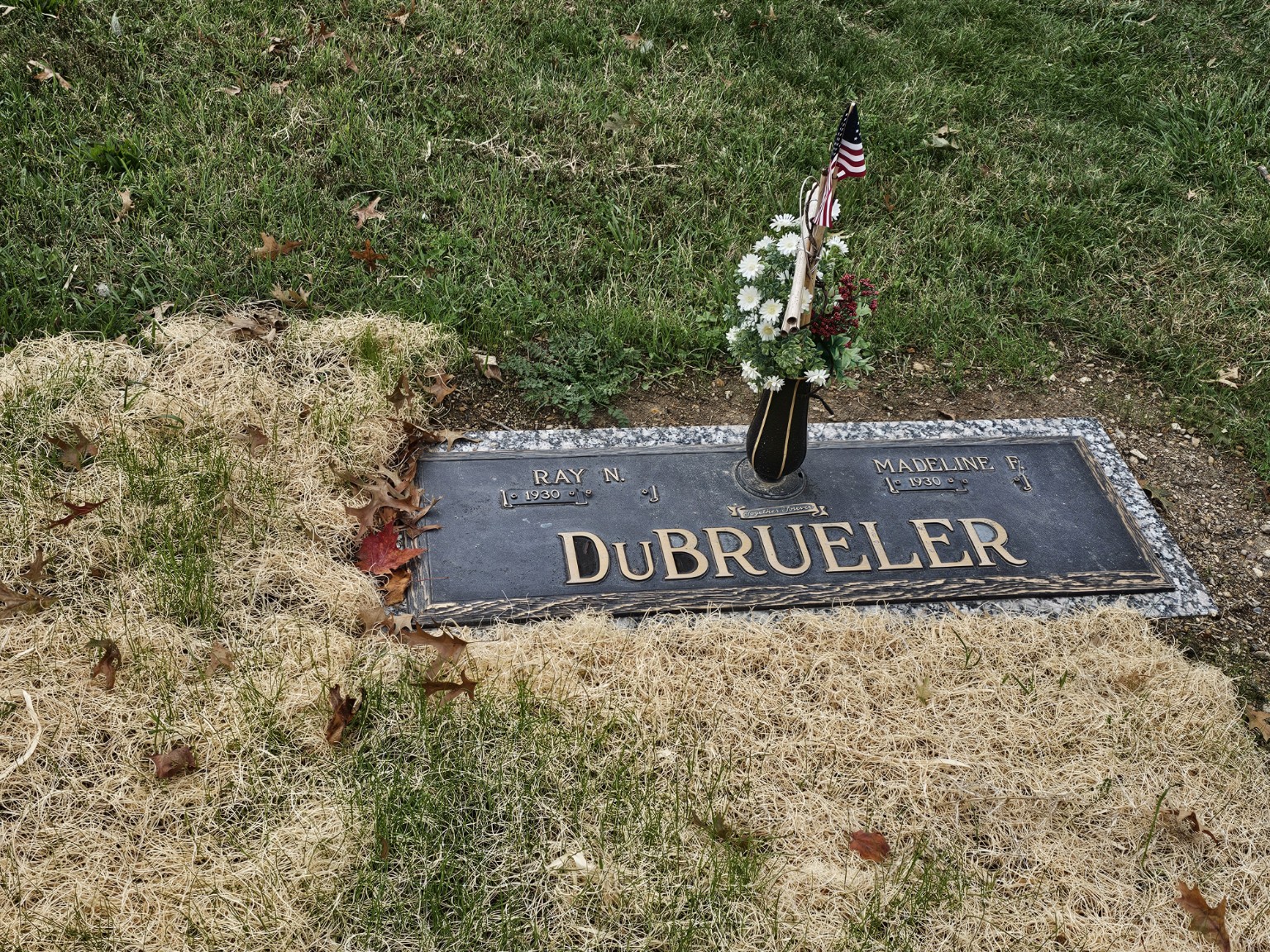
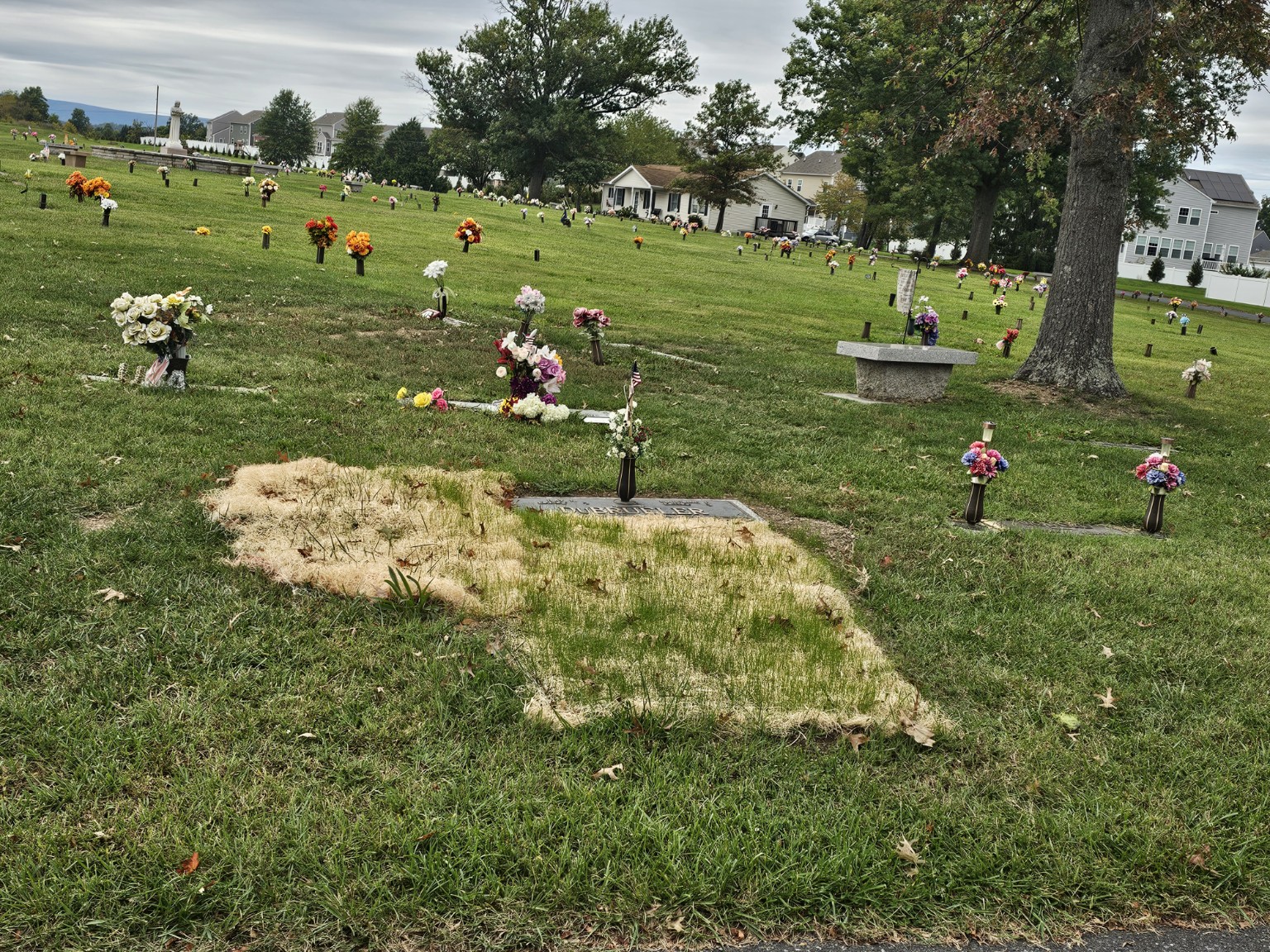
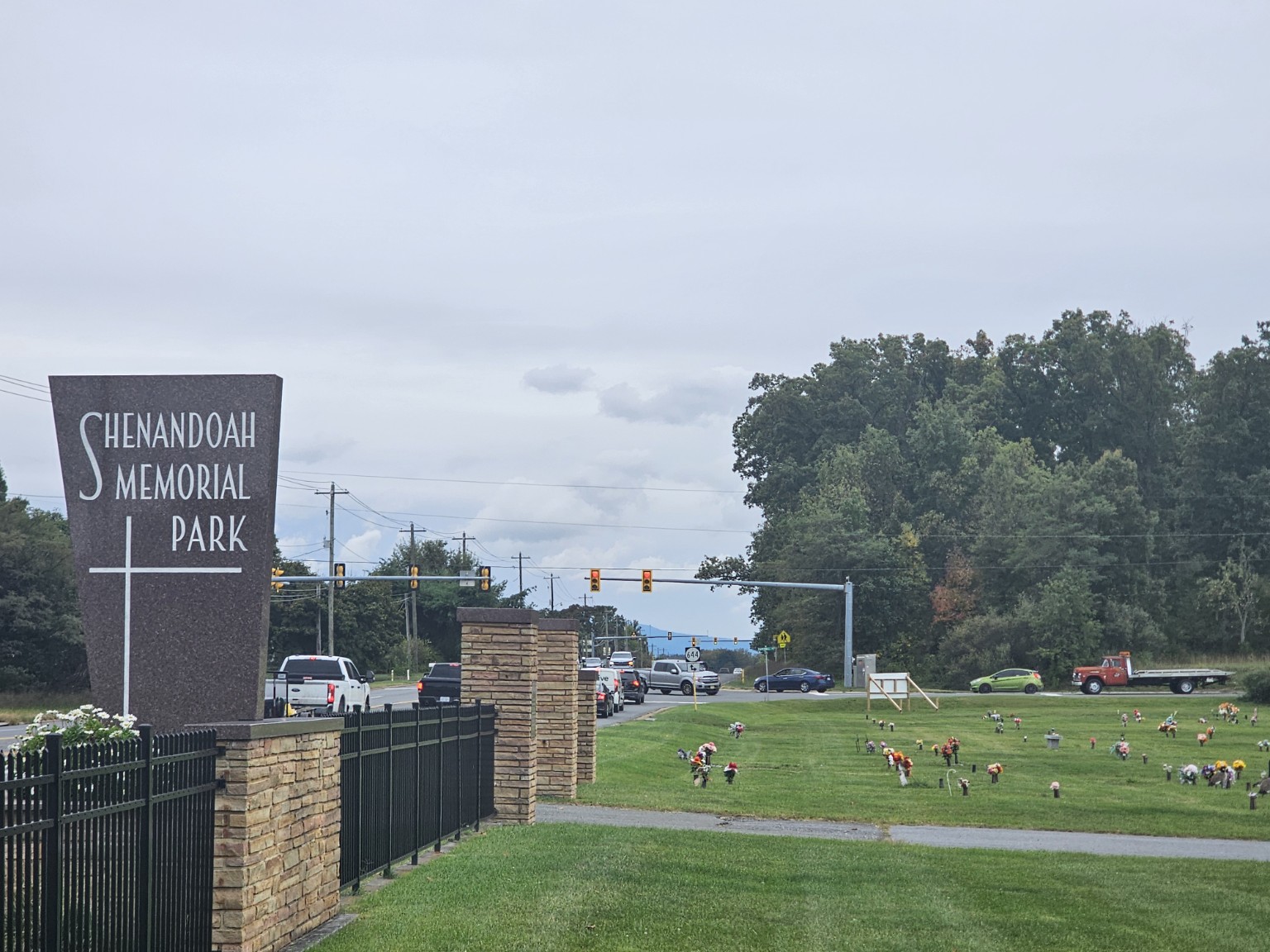
Ray was laid to rest at Shenandoah Memorial Park in Winchester, Virginia — the community where he spent so much of his life building businesses, raising a family, forming friendships and serving others.
His grave is located adjoining the gravesite of Winchester native and country music legend Patsy Cline. The DuBrueler family marker bears the names of Ray N. DuBrueler and Madeline F. DuBrueler, a permanent place honoring the life they built together.
For a man whose story was so closely tied to Winchester and the Shenandoah Valley, it is fitting that his final resting place remains here.
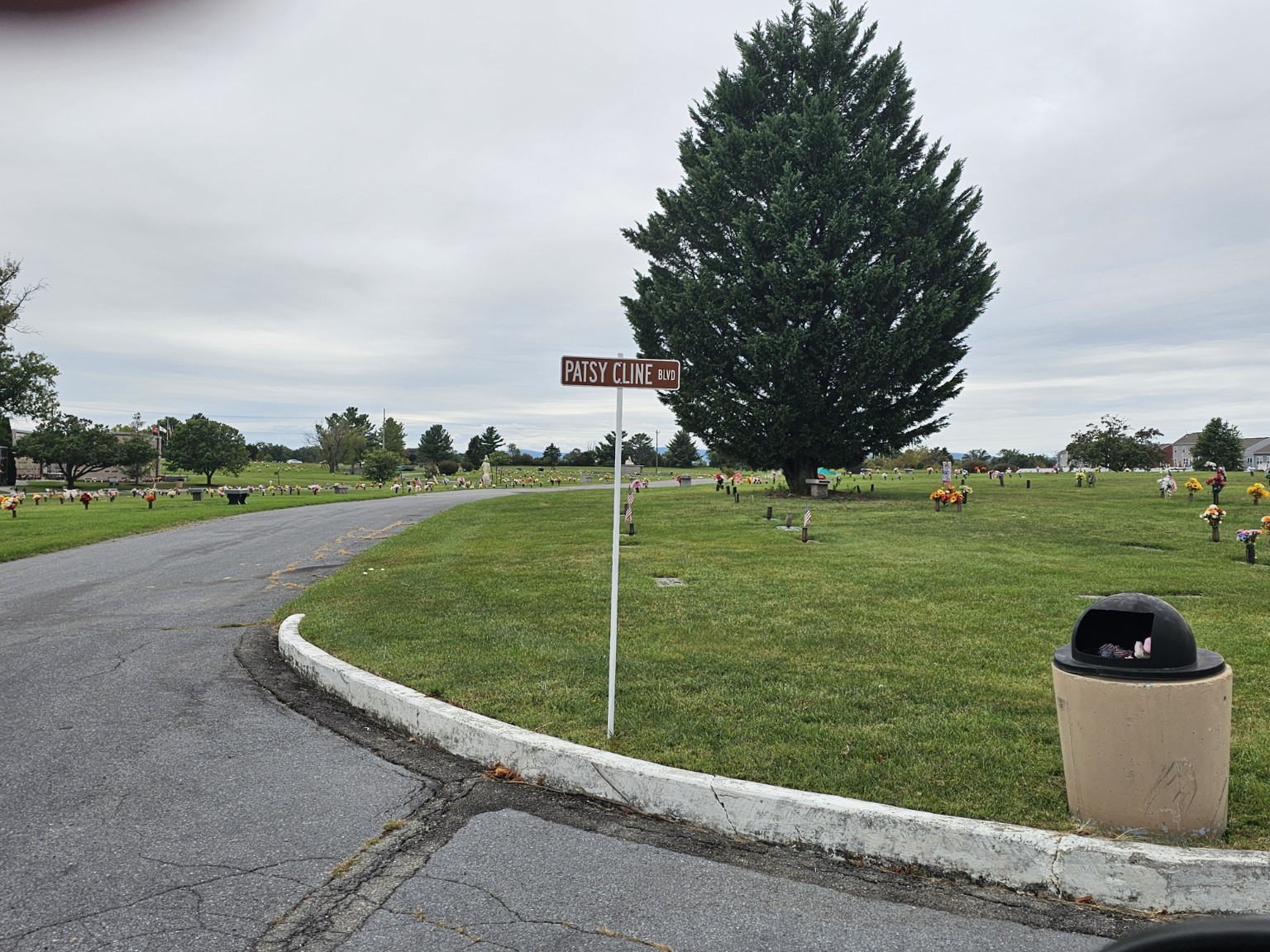
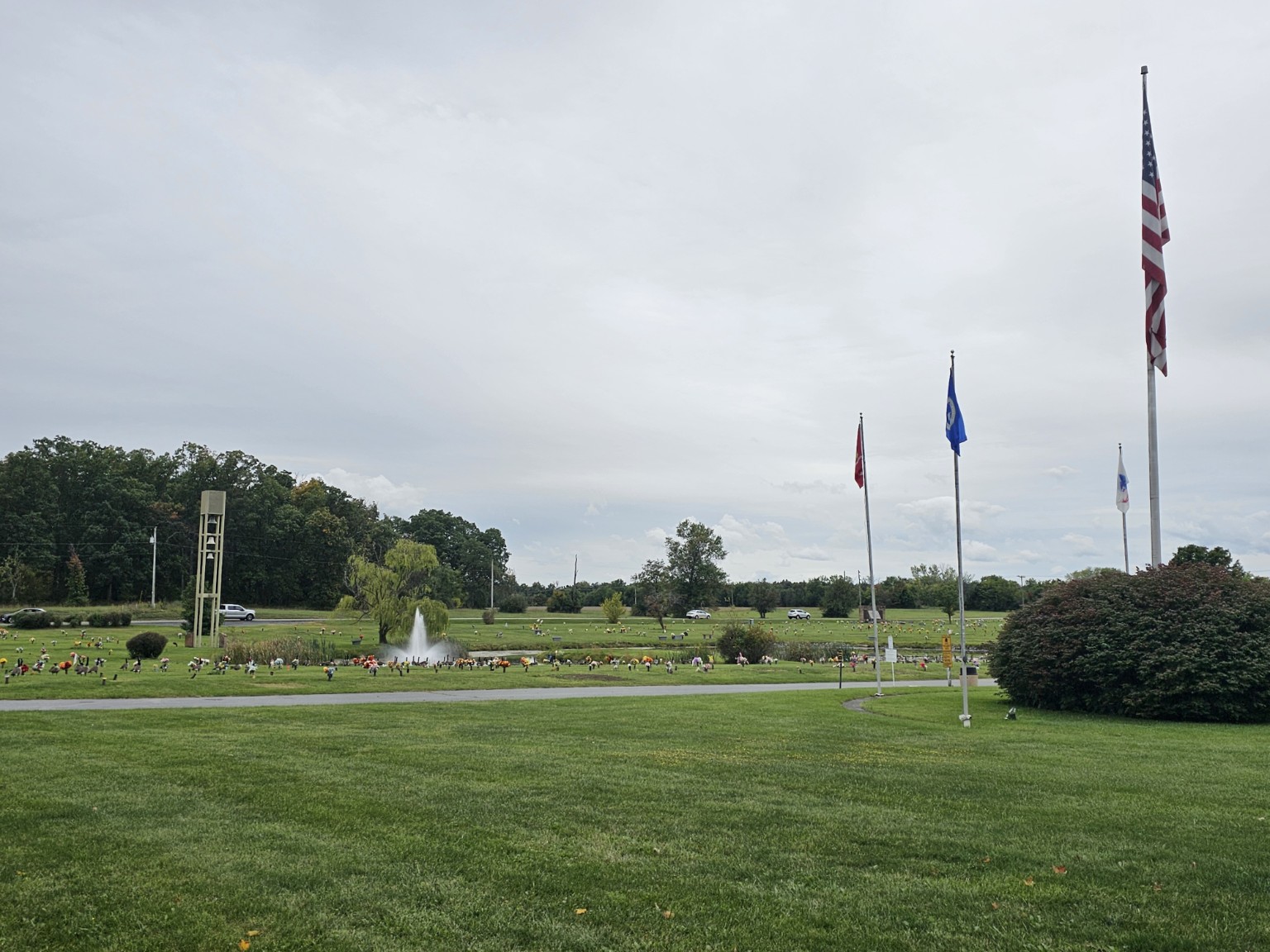
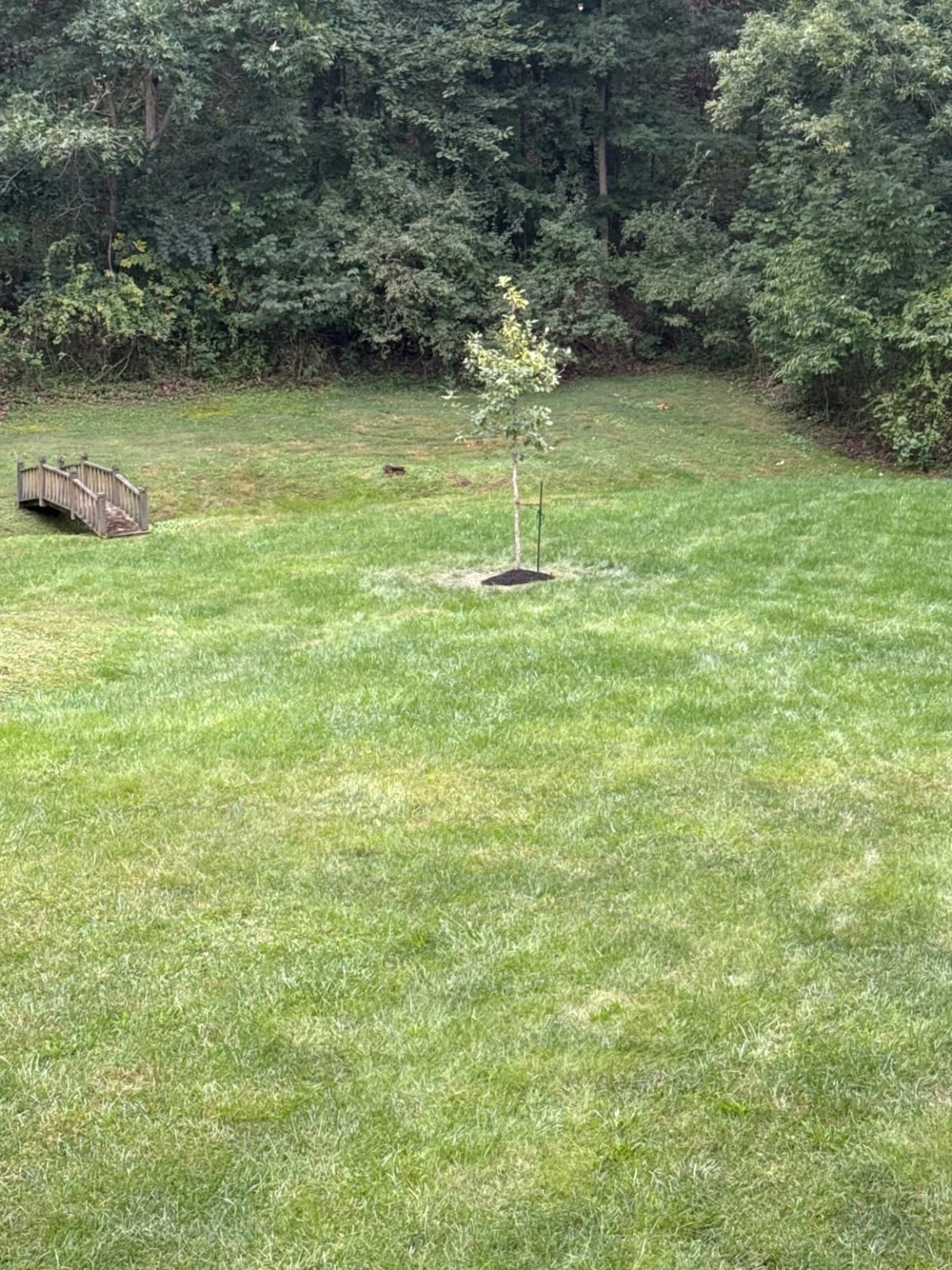
Two trees have been planted in Ray's honor in Winchester. They are living markers of a life whose influence continues through family, friends, employees, customers and the stories people carry forward.
The family can continue adding photographs here as the trees grow through the years. Once the permanent QR plaques are created, each tree can lead visitors directly to RayDuBrueler.com.
FamilyWorkCommunityLegacySteve selected Randy Travis's He Walked on Water as a musical tribute.
Find the songHave a photograph, recording, letter or everyday memory? This memorial can continue to grow with the family.
Share a memory